Connecting Pierce County: how Tacoma Community House's community-based workers help residents access services and care
April 14, 2026
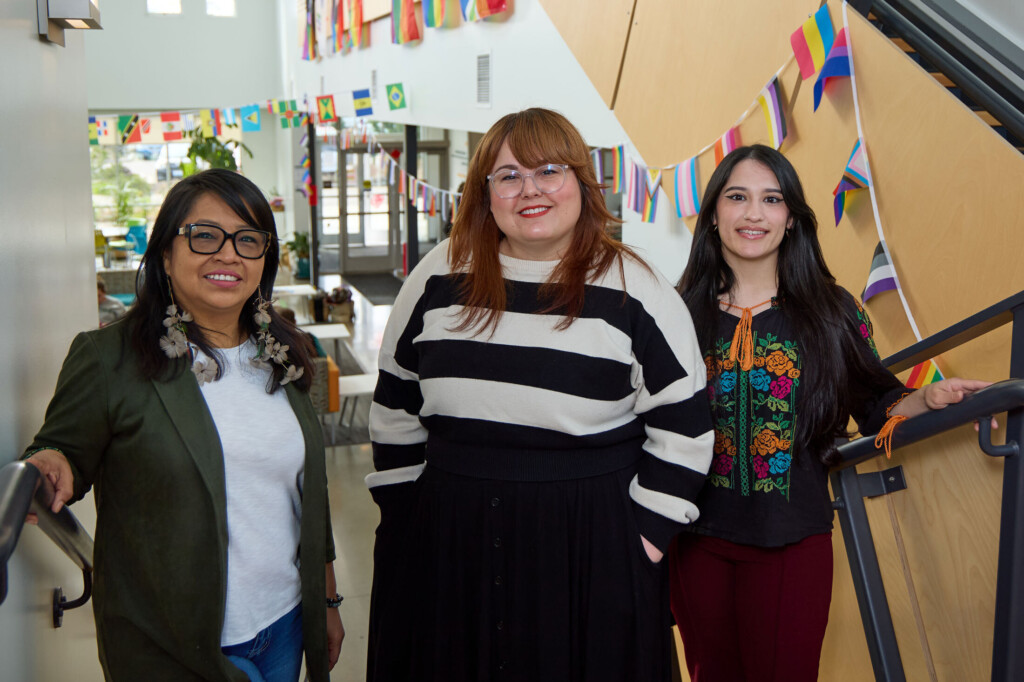
The roots of Tacoma Community House run deep into the fabric of Tacoma-Pierce County.
A group of Methodists founded it in 1910 as a settlement house to welcome Scandinavian and Italian immigrants. Over the years, services expanded to cover its evolving Hilltop neighborhood and Tacoma Community House grew to serve a wide variety of human needs throughout Pierce County. In 2015, the REACH Center joined Tacoma Community House to expand services to youth and young adults.
Today, Tacoma Community House carries on its mission of supporting youth, immigrants, refugees, the unhoused and others. The organization provides a wide variety of services: language and literacy programs, job skills, youth housing, immigration assistance and more.
Tacoma Community House is one of 28 organizations currently partnered with Connect Pierce, Elevate Health’s care hub that supports the vital work carried out by community-based workers and improves local health and wellness outcomes through community-based care coordination and resource navigation.
Community-based workers have extensive knowledge of local services, deep expertise, cultural understanding and commitment to serving diverse communities. That can be crucial in offering resources either to individuals served by Tacoma Community House or those who are referred to the wider Connect Pierce coalition of social and health services organizations.
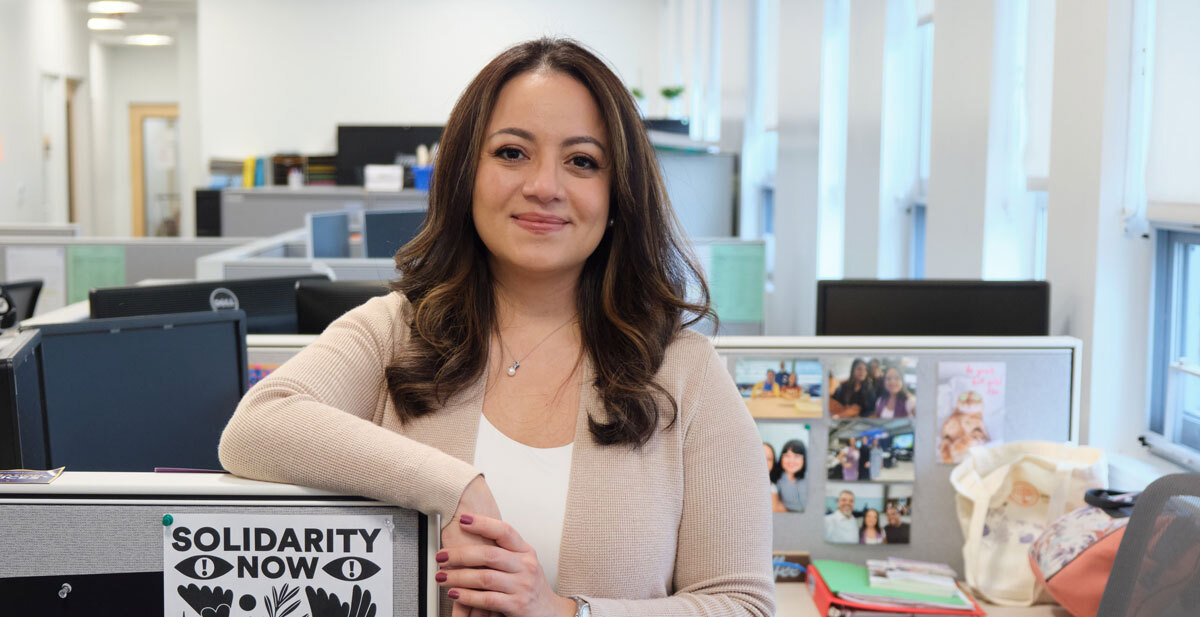
Marcia Montenegro is a community-based worker at Tacoma Community House. She serves many Spanish-speaking clients, including folks navigating complex immigration systems.
The reasoning goes something like this: If someone is drowning in a sea of unmet needs, they need more than a temporary lifeline. They need a boat to stay afloat, and a compass and map so they can plot their future course. Community-based workers can play a vital role in steering clients toward services targeted toward an individual’s needs.
Lisa Hamlin, program manager at Tacoma Community House, guides a team of community-based workers funded by Elevate Health at Tacoma Community House. They bring specialized skills and plenty of passion to the clients they serve.
One of them is Kassandra Soto Alcasar. She helps victims of crime navigate the legal system, but she is also equipped to help meet their other needs for things like food assistance, housing and employment. She also works with Spanish speakers.
Soto Alcasar says building trust is the first step. “I’m a very straightforward person,” she explains. “I tell them it’s going to be a long process, but I’m willing to work with you.”
She ensures that her client leads as she works to help them establish realistic expectations. “Their number one priority is not what I think,” she says. “It’s client-centered, client led.”
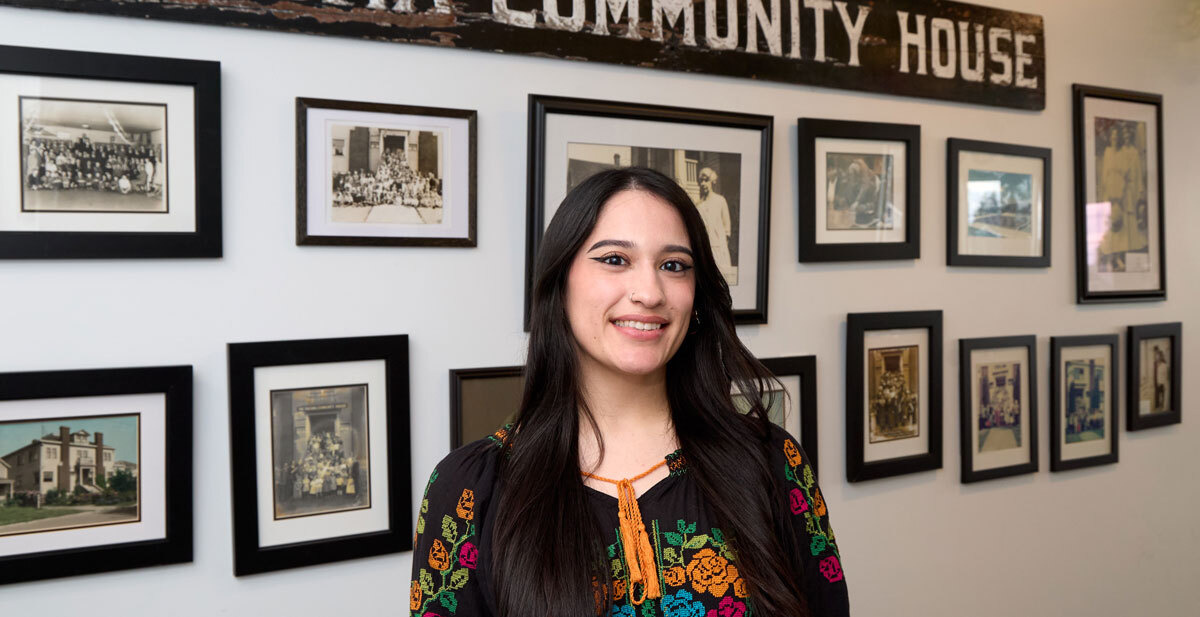
Community-based worker Kassandra Soto Alcasar helps victims of crime navigate the legal system and connect with vital resources.
Shar Cooper’s specialty is working with young people, but with a background in in-home care, she also works with older clients. Cooper describes herself — a petite woman who’s comfortable in sweatshirts and sneakers — as somebody who “already looks like a kid.”
That gives her an advantage working with youth. “I look like a friend, but I’m still their mentor,” she says.
Cooper may accompany a youth to a doctor’s appointment and help them articulate their needs. She has gone to chemotherapy appointments with older clients. “I look at community-based workers not as a case managers, but as folks who are building connections,” she says.
She was inspired to enter human services work after her nephew needed help but was unable to find it. Helping others helped her heal from that experience. “I feel like if I can help one person, I did something big,” she says.
Native Spanish speaker Marcia Montenegro feels a special kinship with her Spanish-speaking clients. As a community-based worker, she believes that making a cultural connection is just as important as sharing a common language.
“If you don’t know English, it’s hard to express your feelings and thoughts (to an English speaker),” she says. “When they can connect with us, they can feel some relief that ‘Someone is listening to me.’ ”
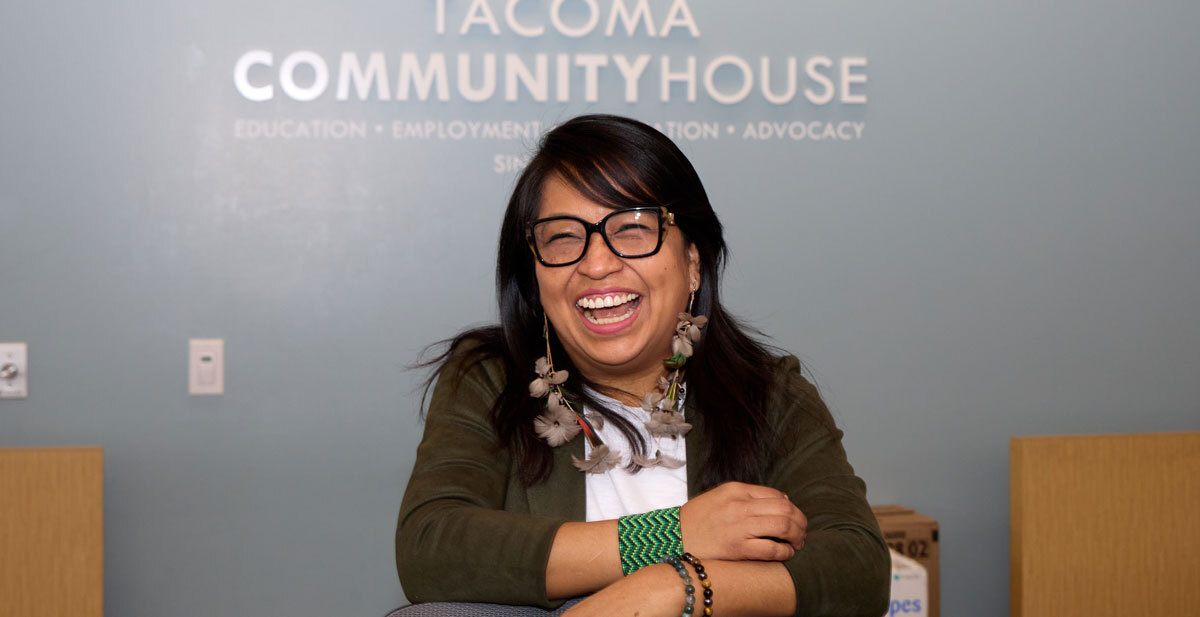
Marianela Jintiach-Arcos is a community-based worker and a member of Tacoma Community House's care coordination team.
Montenegro believes the partnership between Tacoma Community House and Elevate Health works because both share the same mission: embracing challenges to create a healthier community.
Two of the biggest hurdles her clients encounter: finding housing and navigating immigration systems, especially in the current climate.
But Montenegro likes to tell the story of her first client, who came to her shortly after she started her job in 2025. He came seeking help to renew his permanent resident card. Montenegro worked with him to understand the system. Over the course of a year, she also helped him connect with Medicaid — he had previously been flying to Mexico once a year to take care of medical needs. She is also encouraging him to sign up for English language classes.
“When I met him, he was desperate for an answer,” she says. “I built a trusting relationship with him.”
Other members of the Tacoma Community House care coordination team include Marianela Jintiach Arcos and Elaina Darrington.
Soto Alcasar says working with Elevate Health as a partner has broadened her knowledge of resources and given her information she might not have otherwise.
“Elevate Health hosts monthly meetings where there are presentations from different organizations,” she says.
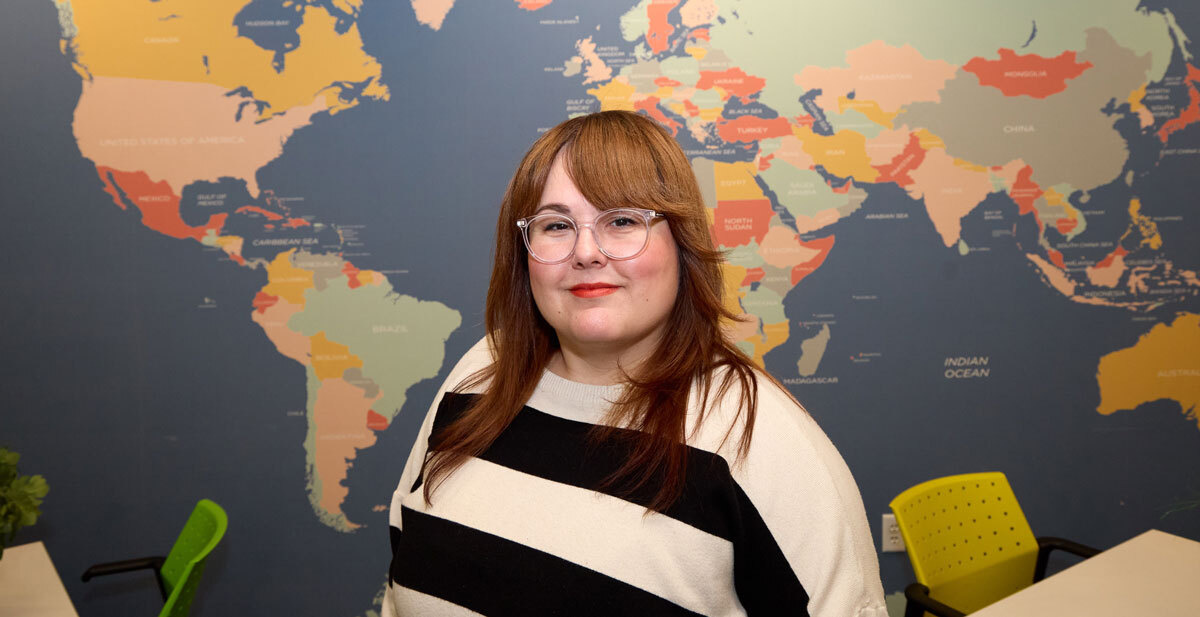
Program Manager Lisa Hamlin guides Tacoma Community House's team of community-based-workers.
Hamlin notes that these meetings help her staff learn about programs that can ebb and flow due to funding cycles.
Adds Soto Alcasar: “We can learn if services are new, or if they are expanding. We can ask questions about eligibility requirements. We can collaborate more closely.”
Community-based workers periodically update each client’s needs assessment.
“Clients can see their progress and identify how their well-being has increased,” Hamlin says.
Because some programs come with time limits, it’s helpful to track when services stop and start. Touching base with Elevate Health’s Connect Pierce program staff helps Hamlin’s team learn about alternatives when a program is ending or losing funding.
Being part of the Elevate Health/Connect Pierce partnership “helps us make deeper connections with clients,” Hamlin says. “The idea is that if we’re doing our job, our clients won’t need us anymore.”
ABOUT THE STORYTELLERS:
-Writer Debbie Cafazzo is a Tacoma-based freelance journalist and communications professional. She was a reporter for 25 years at the Tacoma News Tribune where she covered education, health care, breaking news and a variety of other subjects.
-Photographer John Froschauer is a Tacoma-based photographer who has shot for the Associated Press for nearly 30 years. He also recently retired from Pacific Lutheran University where he served as the campus photographer for more than a decade.