A Safe Place to Recover: Expanding Medical Respite Care in Pierce County
by Zach Powers March 30, 2026

For people experiencing homelessness, recovering from an injury or illness can be nearly impossible without a safe place to heal. Medical respite care fills that gap. Medical respite programs provide a stable environment for recovery and connect individuals with essential health and supportive services. Depending on the community, medical respite care can be delivered in a range of settings, including dedicated facilities, homeless shelters, motels, or transitional housing spaces.
“The criteria to get into a hospital is so strict, and you rarely get to stay until you're feeling healthy,” says Laureen Tomich, Elevate Health’s social care network manager and a longtime advocate for medical respite services in Pierce County. “Hospitals will frequently determine patients are clinically stable for discharge when the patient only feels about 50 percent recovered.”
“That’s alright for a person with a home, a bed, and a family to care for them, but for someone who must go from the hospital back on to the street, it exposes them to all sorts of risk and danger.”
Medical Respite in Pierce County: A Growing Need
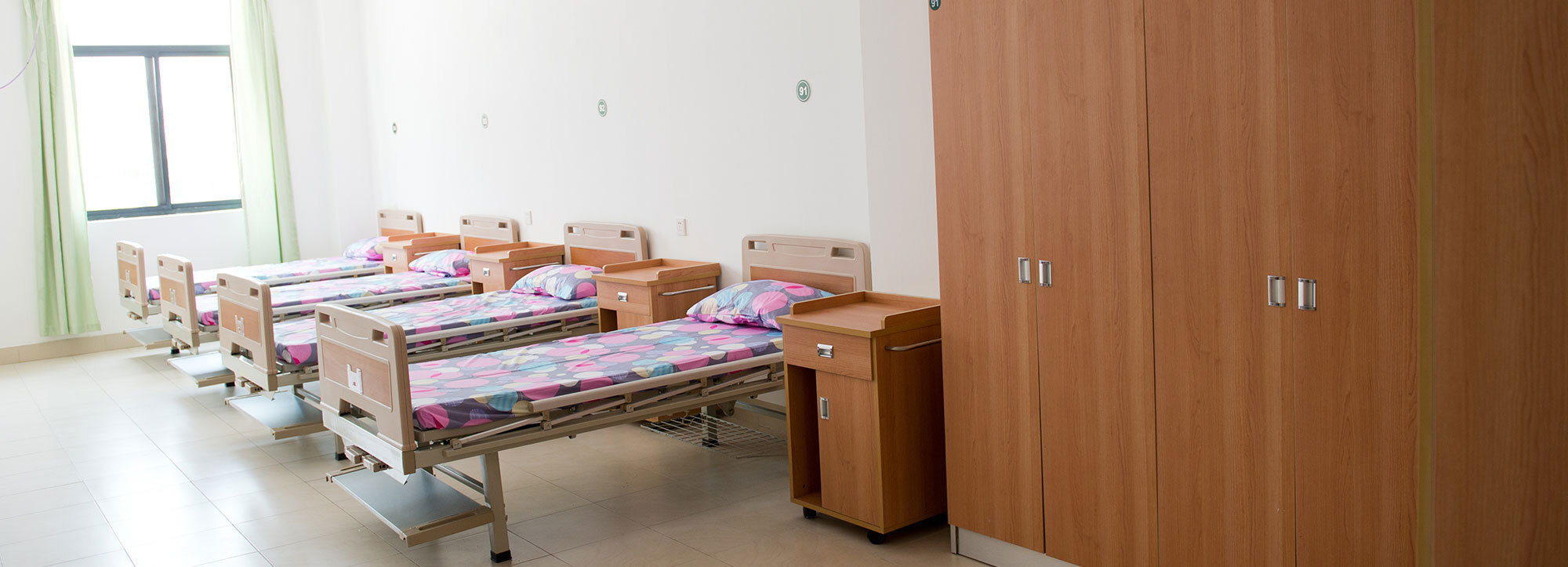
Pierce County currently has just one medical respite program, operated by Catholic Community Services (CCS) at Nativity House. The program began as a partnership with local hospitals to ensure patients experiencing homelessness could be safely discharged. During their short-term stay, patients have a designated bed, access to recuperation services, and staff are available around-the-clock. Nativity House staff help medical respite patients stay on track with medications, coordinate upcoming medical appointments, and ensure that transportation and other care needs are arranged.
But the need for medical respite beds exceeds existing capacity in Pierce County. A recent data review estimated that Pierce County needs roughly 50 medical respite beds, far more than what is currently available. “That gap continues to strain hospital systems and unhoused patients alike,” says Tomich.
Expanding medical respite services in Pierce County and statewide recently became more feasible when the Washington State Health Care Authority approved medical respite as a reimbursable benefit under Apple Health, the state’s Medicaid program. This shift — which took effect July 1, 2025 — created reimbursement pathways that did not previously exist.

Elevate Health’s Role: Funding, Coordination, and System Support
When Tomich worked for CHI Franciscan, she collaborated with staff at Catholic Community Services to design and establish the CCS medical respite program at Nativity House. Since coming to Elevate Health in 2021, she has continued to be an advocate for medical respite services, helped develop pilot programs, and has been a convener of local organizations who share her commitment to medical respite care. She also chairs a steering committee that is advising the Low Income Housing Institute's development of up to 30 new medical respite beds in Pierce County. The new beds will be part of the institute's ongoing transformation of South Tacoma's Oasis Inn into a complex that will provide permanent supportive housing, enhanced shelter and medical respite beds for people experiencing homelessness.
In late fall 2025, the Washington State Health Care Authority asked Washington’s Accountable Communities of Health, including Elevate Health, to disperse funds to local agencies to support medical respite infrastructure. Elevate Health facilitated an RFP review panel that designated funds to Nativity House and the Low Income Housing Institute. The funds will help the two organization improve their systems for administering medical respite services, and take advantage of the new reimbursement pathways for patients enrolled in Apple Health.
Why This Work Matters
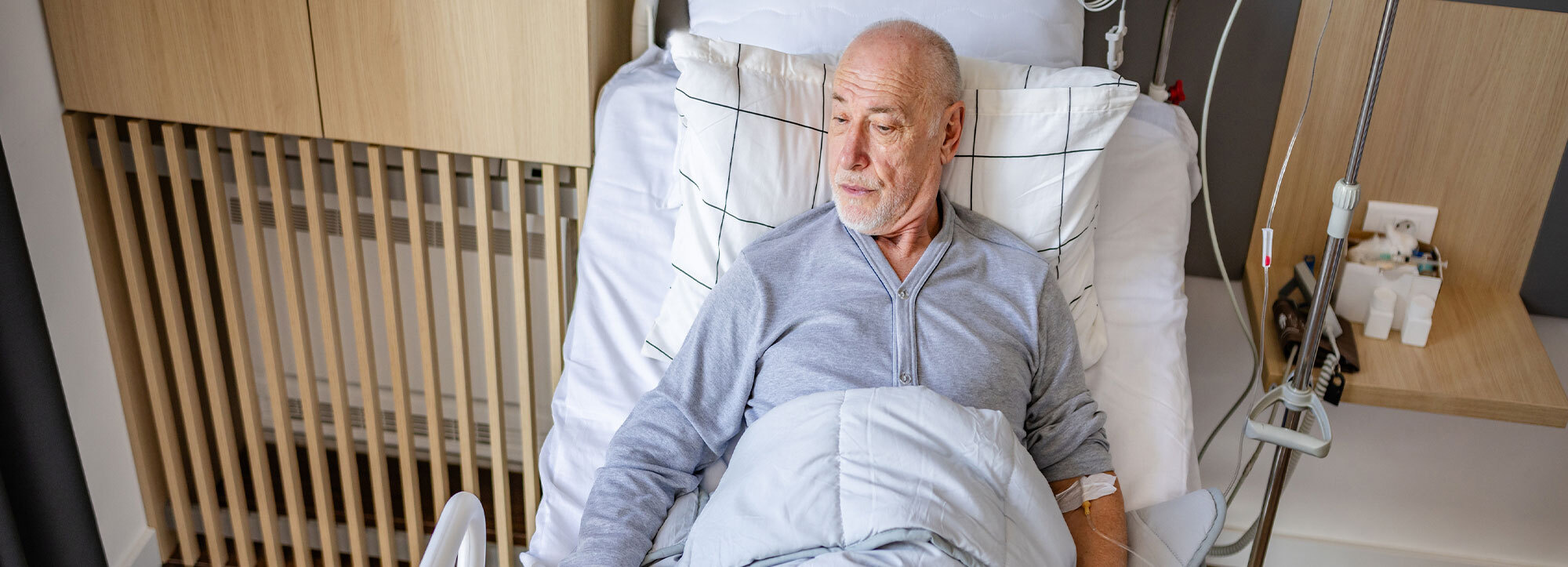
For Tomich and many others, the urgency is clear. Hospitalized patients are often discharged long before they feel stable, and these folks face even greater challenges when they have nowhere safe to go. Many unhoused individuals, especially those who are older adults, have complicated medical needs, mobility limitations, and no (or very limited) personal support system.
“I believe that here in Pierce County we have the space, we have the trained workforce, and we have the shared understanding across our care sector that medical respite can make a substantial difference,” says Tomich. “We just need to keep working together to find the funding and build the coalitions to grow these services.”