Mapping Needs, Guiding Change: A Q&A with Elevate Health Data Analyst Rueben Hernandez
March 17, 2026
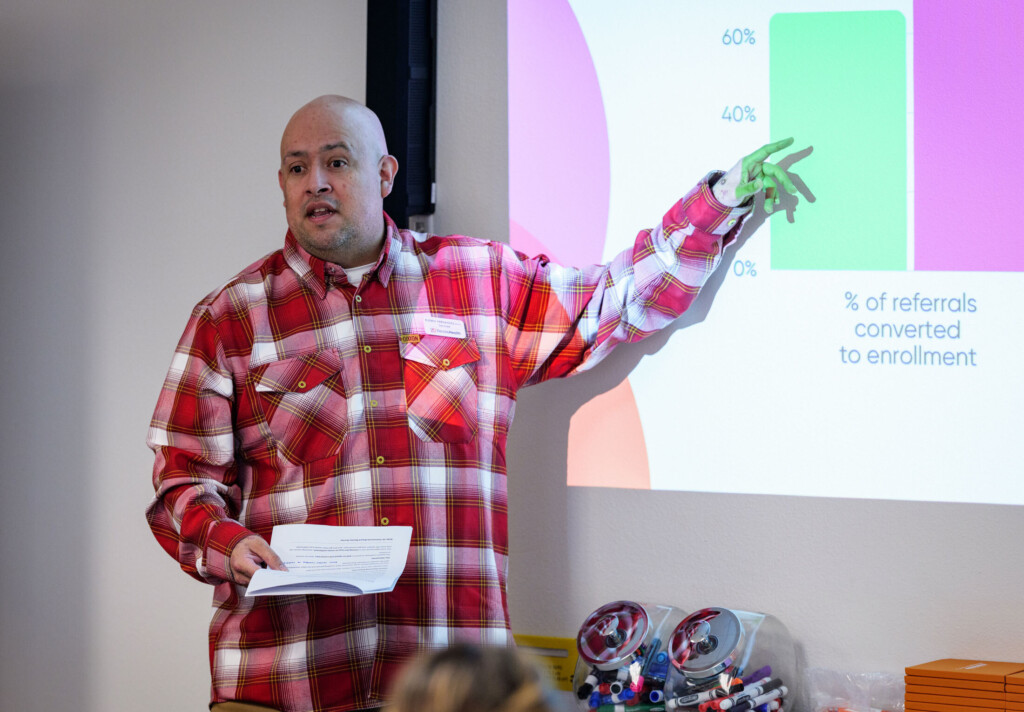
Rueben Hernandez has been drawn to data for as long as he can remember. “I was that kid who grabbed the paper in the morning to check the baseball scores, player stats, and the updated batting averages,” he says.
Even as a youngster, Hernandez realized that numbers could tell a story. Back then, they told him stories about home runs and pennant races. Today, as Elevate Health’s in‑house data analyst, the numbers he tracks reveal stories about care access and health equity in Pierce County.
What was the first job where you put your interest in data analysis to use?
Honestly, it was back when I was a sales lead at a T-Mobile store. We tracked all sorts of daily, weekly, monthly and quarterly metrics. I updated the numbers on a big whiteboard. I kind of became the numbers guy.
I imagine some of your colleagues probably despised that whiteboard. But you loved it?
(Laughs) Yea, I think that’s exactly right. I just thought it was interesting how tracking those numbers could show us what we were doing well and what we needed to improve on.
Next you worked at the Washington State Department of Health. Were you working with a lot of data there?
Not at first. Initially my focus there was human resources and office management. But when COVID-19 hit, they needed a data manager for Care Connect Washington and I was able to move into that role. That’s when I started working with community care hubs, using the CCS care coordination platform and working in the state’s disease registry.
After working with ACHs and community care hubs across the state, what inspired you to join Elevate Health and focus specifically on our Connect Pierce community care hub?
I was excited about the opportunity to use data to tell stories about the amazing work that the community-based workers who power Connect Pierce are doing all around Pierce County. I was drawn to this role because I wanted to work with our various teams to support the quality of our hub and use the available data to help inform decision making and produce storytelling projects.
Where does the data you work with at Elevate Health come from?
I work with all kinds of data, and it really depends on the project. Sometimes I’m looking at client demographics or following clients’ timelines to see how they’re moving through the hub. We also look at whether their needs are being met, and how long that process takes.
Another big piece is understanding which services and supports people are asking for most often. That helps us get a clearer picture of what communities in Pierce County need right now.
And it’s not just numbers you’re tracking, right?
Right, it’s qualitative data as well quantitative. We also collect a lot of great insight from our community‑based workers through surveys, interviews and conversations at the CBW forum we facilitate. They’re out there every day, so we make sure to document the trends and observations they’re seeing on the ground.
In 2026, social and health services are shifting rapidly. State and national funding, local resources, and community needs are all evolving. What excites you about the role data can play in this environment?
I think it’s important that our systems and programs be flexible, and to do that we have to make sure that we're asking the right questions and we're collecting the right responses to those questions. And once we do that, we need to be able to inform leadership and our partners about what we’re learning from the data and from our community engagement and suggest how it can help us make improvements.